
When brands scale into national retail distribution, labeling requirements become significantly more complex. Regulatory disclosures, multilingual content, nutritional panels, retailer-mandated information, and promotional messaging must all fit within strict packaging constraints — without disrupting production efficiency or shelf appeal.
For manufacturers operating in food, beverage, supplements, health & beauty, and household product categories, labeling is no longer just a design consideration but a compliance and operational decision. Space limitations, audit readiness, and evolving regulatory standards require packaging solutions that can adapt without increasing container size or slowing down production lines.
Extended content labels provide a strategic way to expand on-package communication while maintaining regulatory compliance and operational consistency.
In this guide, we’ll break down what extended content labels are, when they become necessary, and how to determine the right format for your packaging and production environment.
What Are Extended Content Labels?
Extended content labels are multi-layer or expandable labels designed to provide additional printed space beyond what a standard label can accommodate. They can take several forms, including roll-fed extended content labels, pressure-sensitive extended content labels, and booklet labels.
Each label has slightly different production and application needs, but they all accomplish the same thing: deliver more information without compromising the design. In today’s shopping world, shelf appeal is crucial to get picked up by consumers.
When Do You Need an Extended Content Label?
Extended content labels typically become necessary when packaging must support more advanced compliance, distribution, or operational requirements, including:
- Insufficient space for required regulatory disclosures, nutritional panels, or detailed ingredient statements
- Multilingual labeling to support national or international distribution
- Expanding into national retail chains that mandate additional product information
- Preparing for regulatory audits or increased compliance scrutiny
- Complex formulations requiring expanded warnings, usage instructions, or disclaimers
- Retailer-specific requirements that exceed standard packaging layouts
For brands scaling into larger retail environments or operating in highly regulated industries, extended content labels often move from “optional” to operationally essential.
Industries That Benefit Most from Extended Content Labels
Cleaning & Household Chemicals
In the Cleaning & Household Chemicals industry, product labels must communicate a wide range of critical information — from dilution ratios, surface-specific usage instructions, and first-aid guidance to GHS safety warnings, ingredient disclosures, storage recommendations, and multilingual content. With increasing regulatory oversight and consumers paying closer attention to product ingredients and safe handling practices, available label space can quickly become overwhelmed. Extended content labels provide brands with the flexibility to include essential safety, compliance, and product-use information while preserving a clean, consumer-friendly package design.
Construction & Automotive Chemicals & Lubricants
In the Automotive Chemicals & Lubricants industry, product labels are expected to communicate far more than branding alone. From application instructions and viscosity grades to GHS safety information, disposal guidance, and multilingual content, manufacturers must fit a significant amount of technical and regulatory information onto limited packaging space. Extended content labels provide a practical solution, giving brands the room to deliver critical product details without sacrificing shelf appeal or brand identity.
Lawn & Garden Care Products
Homeowners and professional landscapers alike rely on clear, detailed product information when selecting Lawn & Garden Care Products. Labels often need to communicate mixing ratios, coverage recommendations, seasonal application guidance, EPA compliance details, precautionary statements, storage instructions, and multilingual content — all within a limited packaging footprint. Extended content labels provide brands with the space needed to deliver critical product-use and regulatory information while maintaining a clean, organized package design that stands out at retail.
Food & Beverage
In the food and beverage industry, brands often need detailed nutritional facts, allergen disclosures, ingredient lists, and, sometimes, multilingual labeling. As retailers and the general public demand greater transparency, standard label space quickly runs out. Extended content labels allow brands to include all the necessary information while maintaining a clean, enticing front-of-package design.
Supplements
For supplement manufacturers, labeling requirements can be even stricter. Supplement facts, dosage instructions, regulatory disclaimers, and usage warnings need to be included and easy to read. At the same time, brands want packaging that communicates credibility and quality. Extended content labels provide the additional space needed to meet stringent regulatory requirements while still presenting your brand in an appealing way.
Health & Beauty
In the health and beauty sector, ingredient transparency and clear usage instructions are increasingly important to consumers. Products often require safety disclosures and warnings. Multilingual content helps with broader distribution. In the health and beauty industry, aesthetics matter, but packaging can be incredibly small. Extended content labels help brands fit this information onto these smaller containers while preserving the visual appeal necessary to attract consumers.
The Different Types of Extended Content Labels
Roll-Fed Extended Content Labels
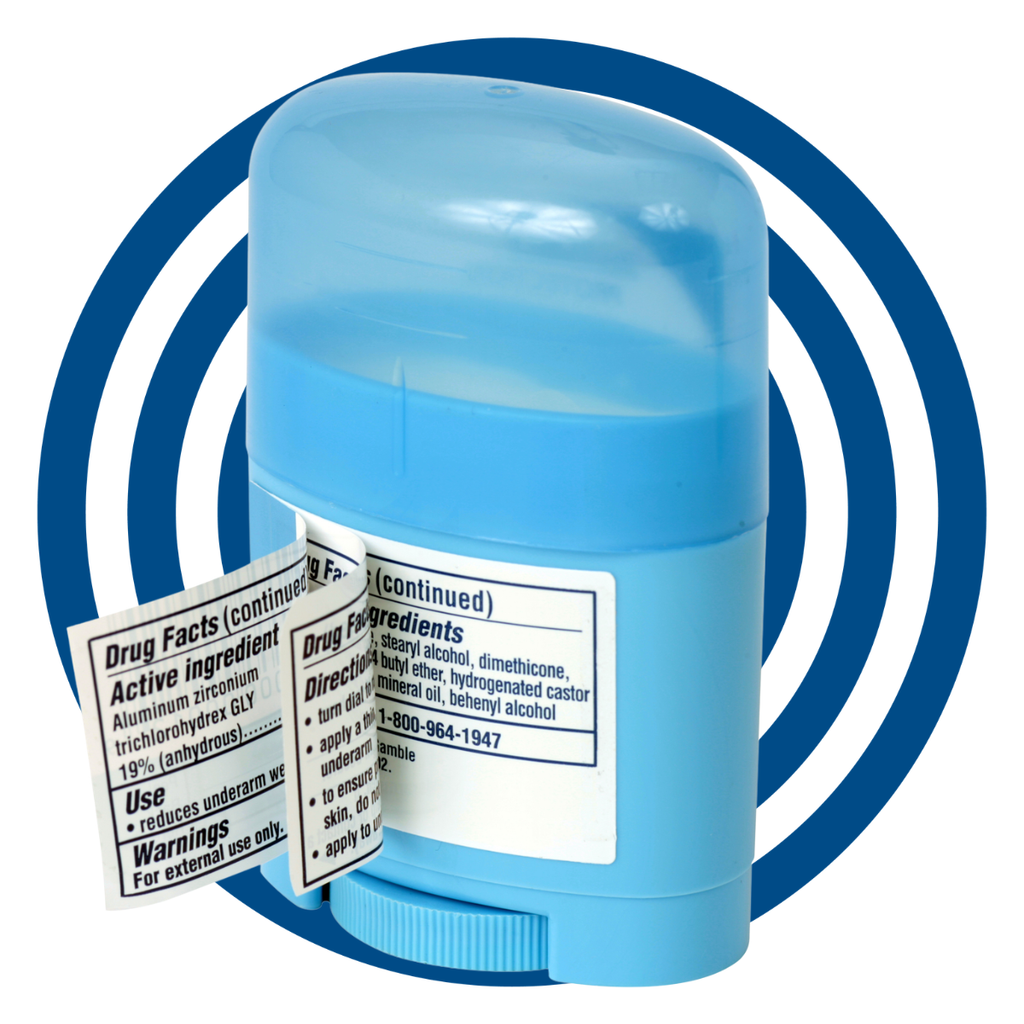
Roll-fed extended content labels are used in high-volume production environments where speed and efficiency matter. They’re designed to work well with automated filling and labeling systems, making them a great option for brands running large-scale packaging operations. If your product is produced at scale and consistency is critical, this format can provide both efficiency and reliability without slowing down your line.
Pressure-Sensitive Extended Content Labels
Pressure-sensitive extended content labels are adaptable across a wide range of container shapes and materials. They adhere easily to bottles, jars, tubs, and other packaging formats, which makes them a popular option for food, supplements, and personal care products. If your packaging requires flexibility or you anticipate evolving designs, pressure-sensitive labels offer a balance of durability and adaptability.
Booklet Labels
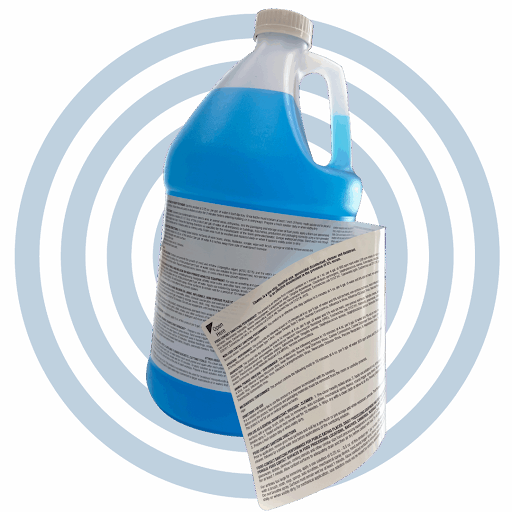
Booklet labels are ideal when you need significant additional space, such as detailed instructions, regulatory disclosures, or multilingual content. They function like a small booklet attached directly to your product, giving you multiple panels of printable real estate. For products with complex usage directions or extensive compliance requirements, booklet labels provide room to communicate clearly without cluttering your primary design.
Each format depends on the production process, packaging type, budget, and compliance requirements.
Common Questions About Extended Content Labels
Are extended content labels more expensive than standard labels?
Costs depend on format, materials, and run size. However, they can often be more cost-effective than redesigning packaging or increasing container size.
Will they impact production speed?
When properly matched to your production line, extended content labels can integrate seamlessly.
Can they maintain premium shelf appeal?
Yes! Thoughtful design ensures functionality without sacrificing brand aesthetics.
Designing and choosing an Extended Content Label solution can be complex. The team at CastlePierce is dedicated to making this process seamless and walking customers through each step of the approval process.
How CastlePierce Supports Extended Content Label Projects
Beyond production capabilities, selecting the right extended content label format requires understanding regulatory demands, material compatibility, and production timelines.
CastlePierce differentiates from the industry in the unique capabilities of producing ECL’s in an efficient process focused on quality and customer applications.
With decades of packaging expertise and integrated design, print, and assembly capabilities, CastlePierce works with brands to identify the most efficient and compliant labeling solution.
Choosing the Right Label Format for Long-Term Success
If your current label is crowded, compliance requirements are increasing, or you’re preparing for retail expansion, extended content labels may be the right solution.
Choosing the right ECL format early can save you costly redesigns and production delays down the line.
If you’re evaluating options, our team can help assess your packaging and determine the best extended content label structure for your product.